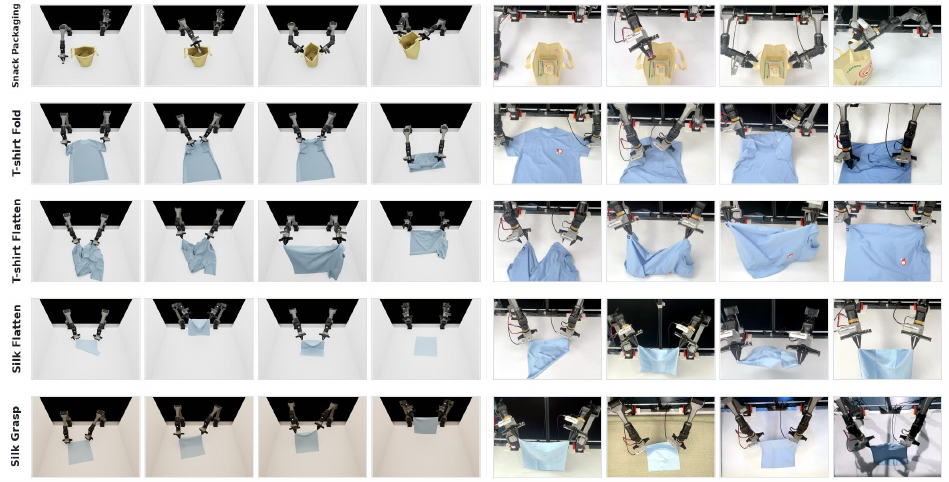
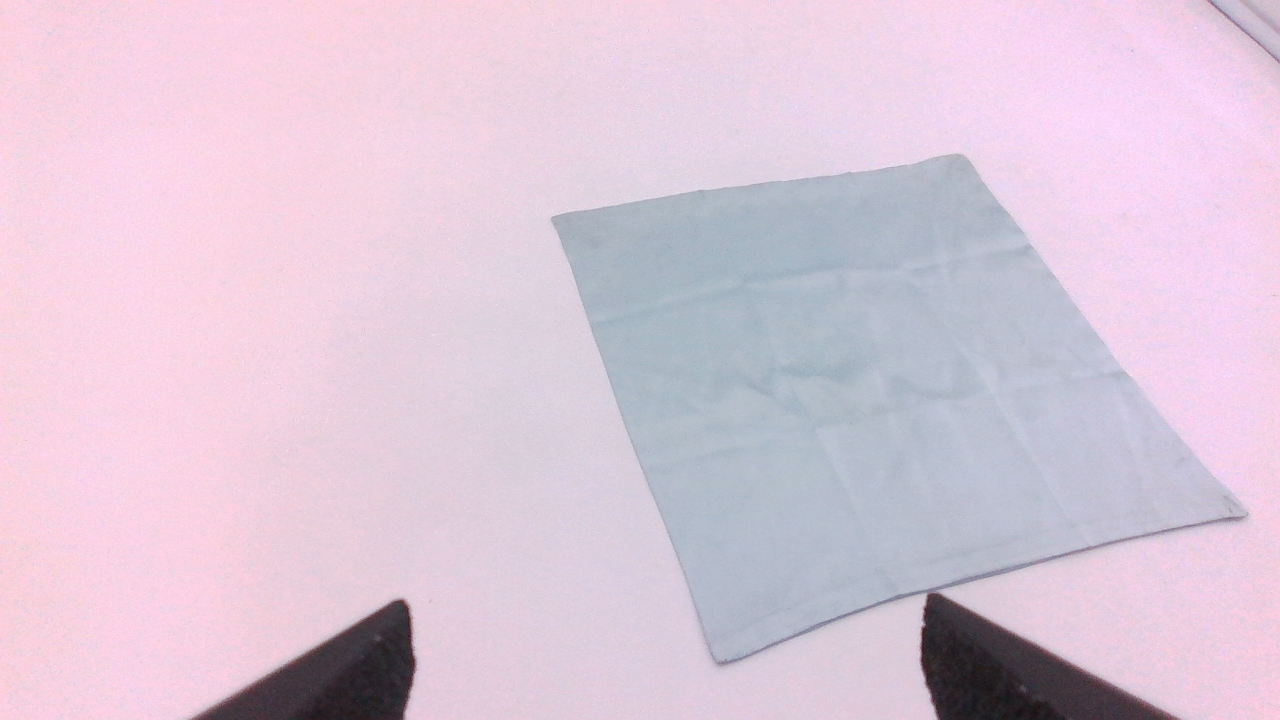
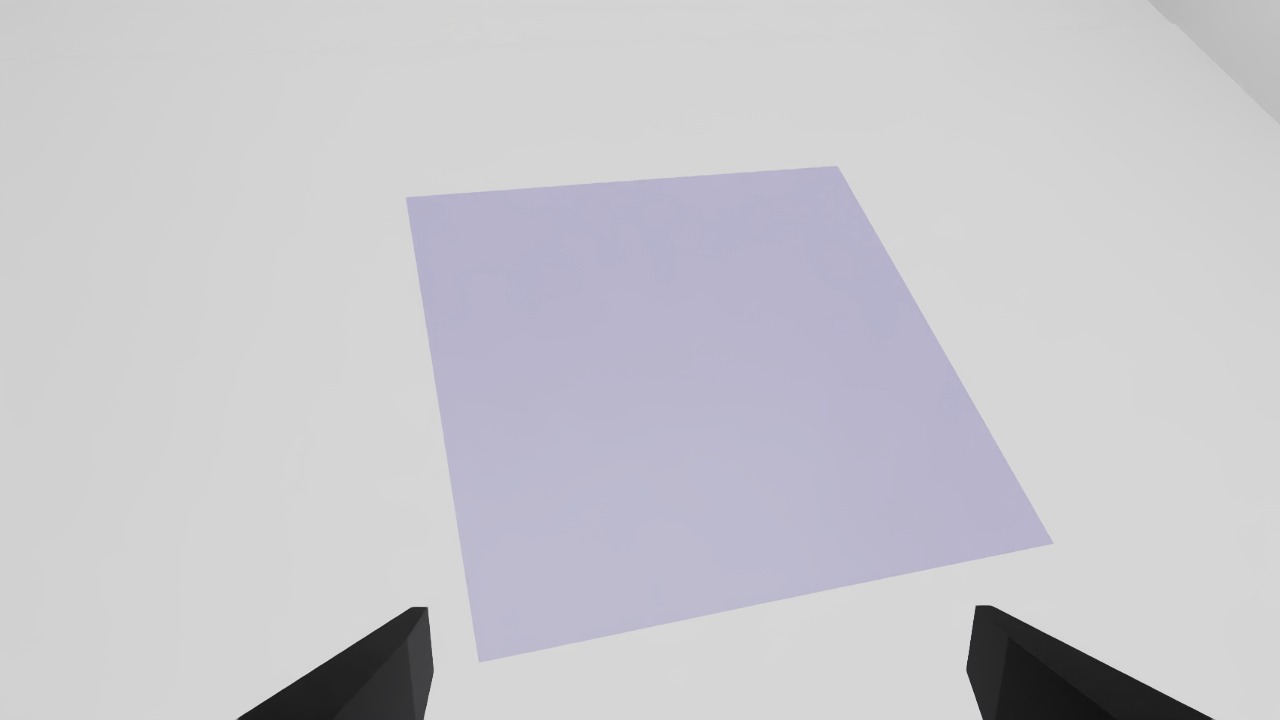
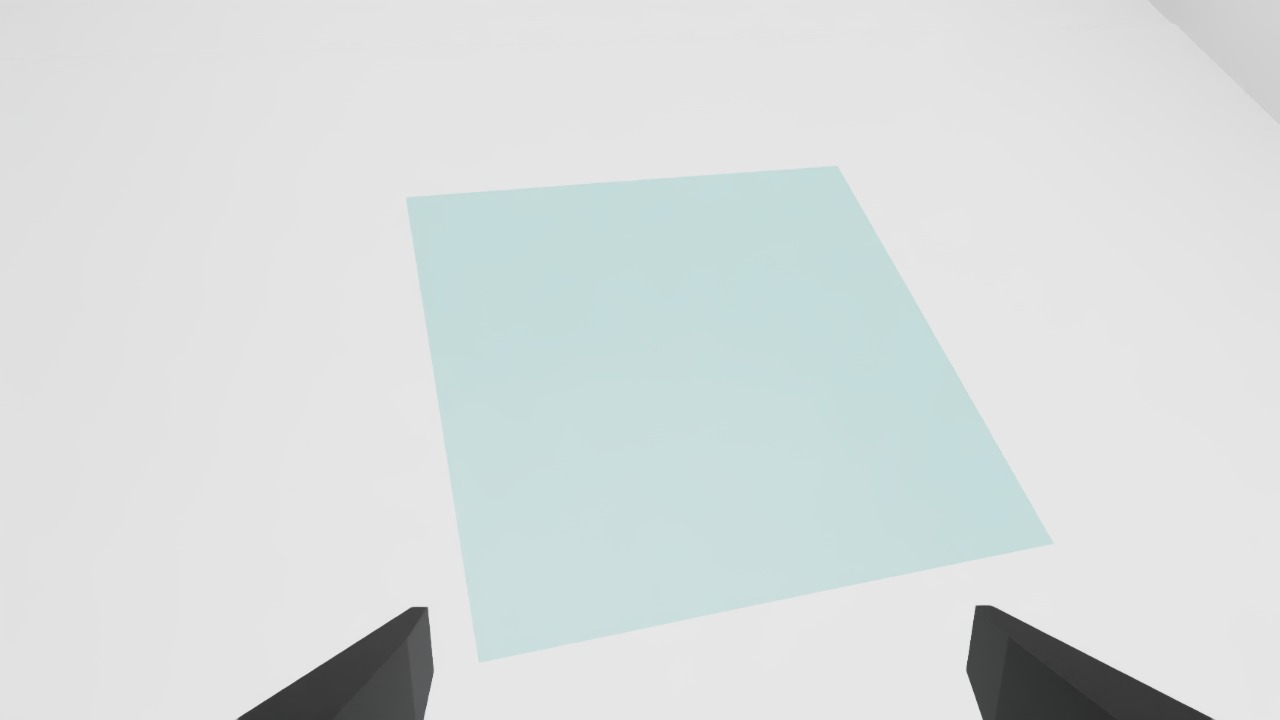
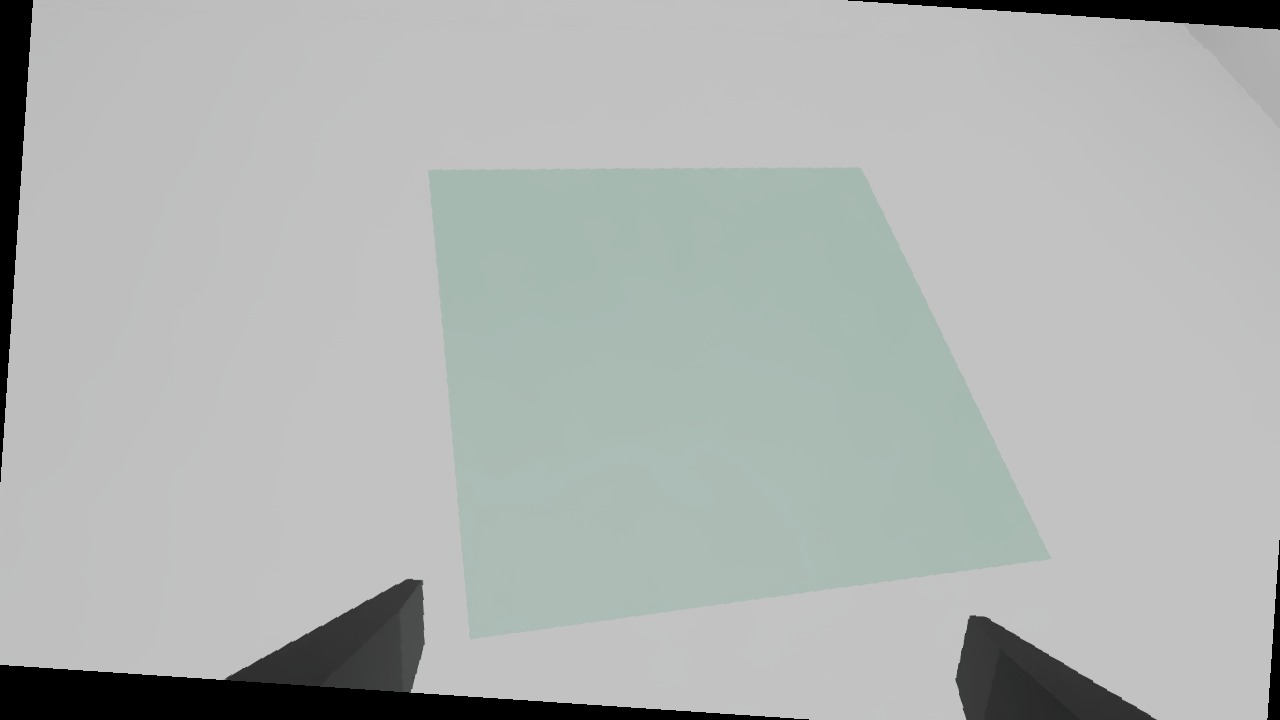
200 simulated demonstrations per task · no teleoperation · 91.30% real-world success across 5 deformable tasks.
No teleoperation at any stage. Single-seed deterministic synthesis.
Across 5 deformable tasks. n=23 consecutive trials per task; Wilson 95% CI [84.7, 95.2].
Texture / lighting / rotation OOD. Real-data baseline drops to 13.0% / 69.6% / 8.7%.
2824 trajectories per day on a single 8×RTX 4090 server — two orders of magnitude cheaper than real-robot collection.
Cloth–rigid contact on thin fabrics breaks across Isaac Sim and VBD — parameter-sensitive instability, penetration, and non-deterministic replay.
High-DOF deformation breaks rigid trajectory transfer; deformable methods still need human teleop to start and ignore both arm and cloth constraints.
Pixel-based policies still don’t transfer reliably — depth and point-cloud sidestep the gap but collapse on dark, low-texture, and reflective fabrics.
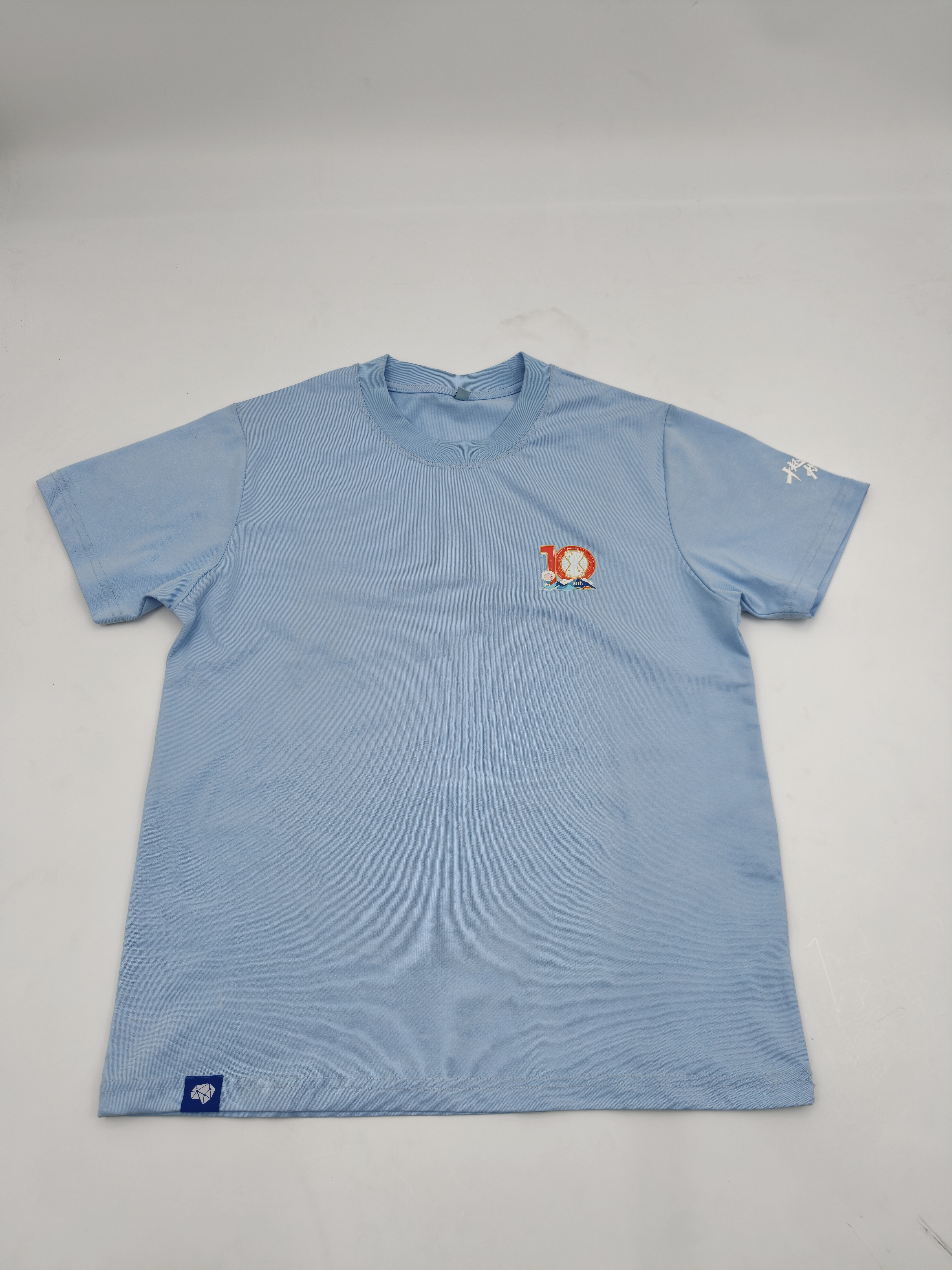
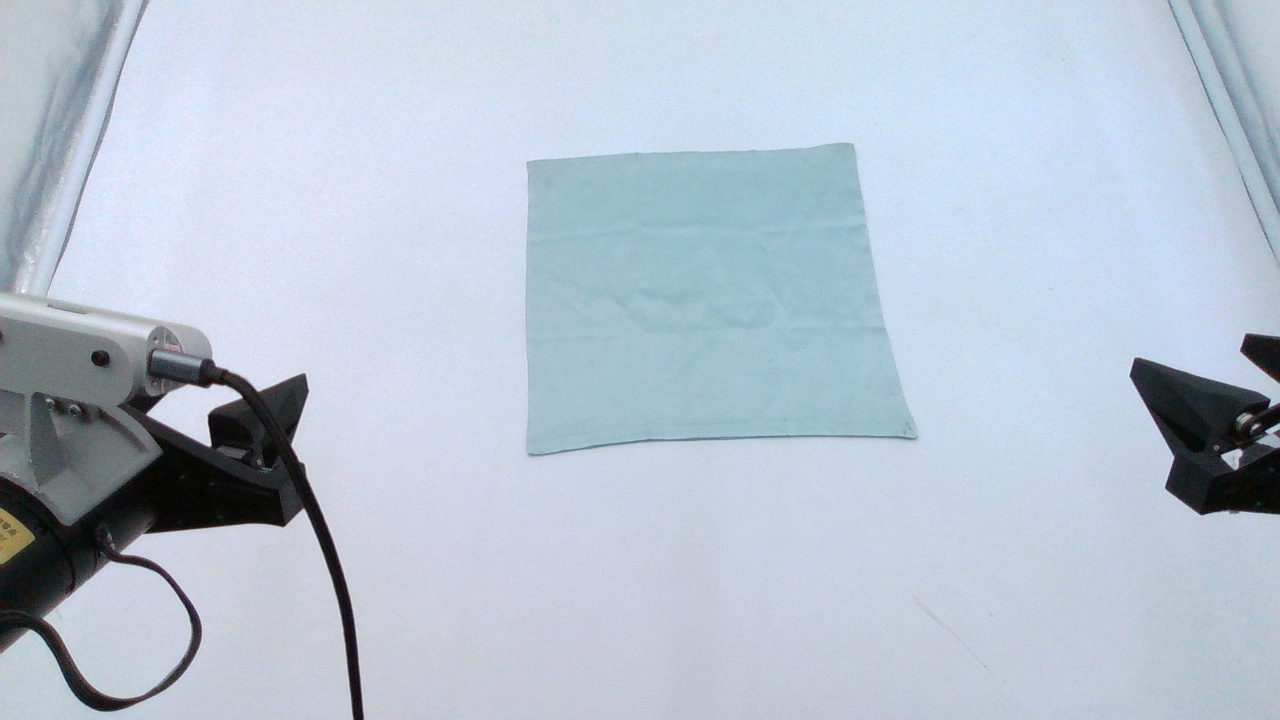
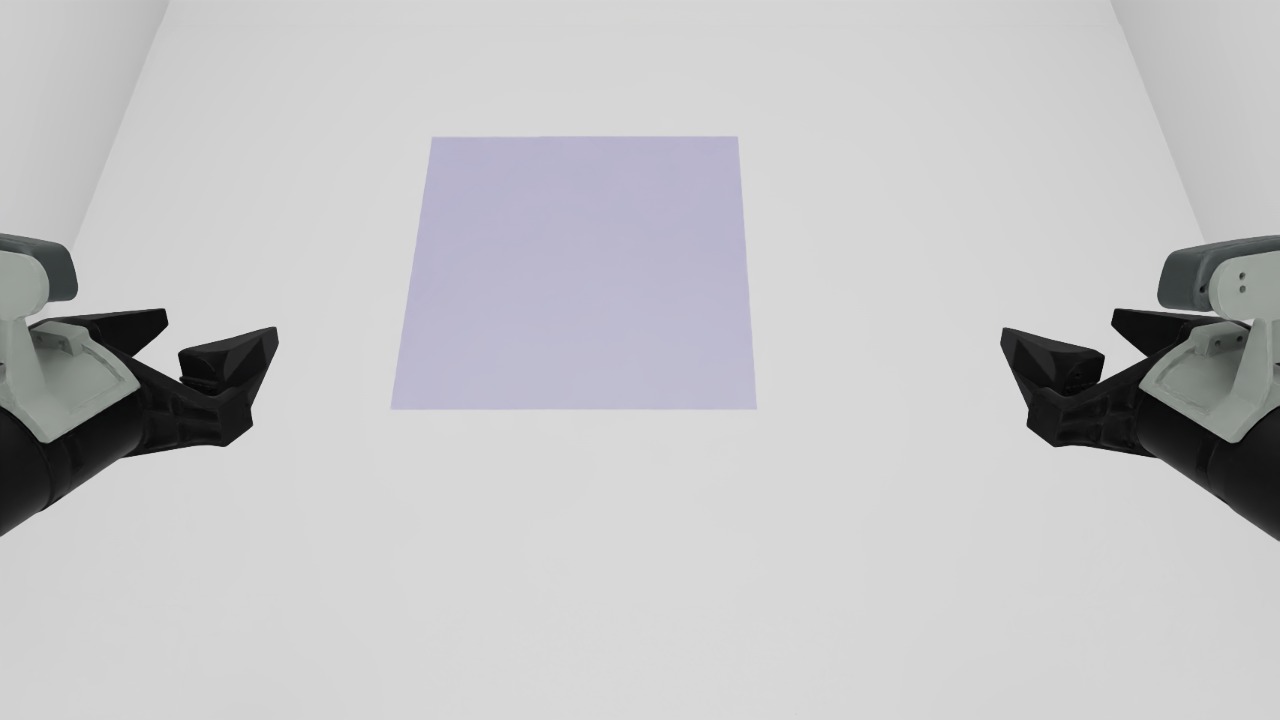
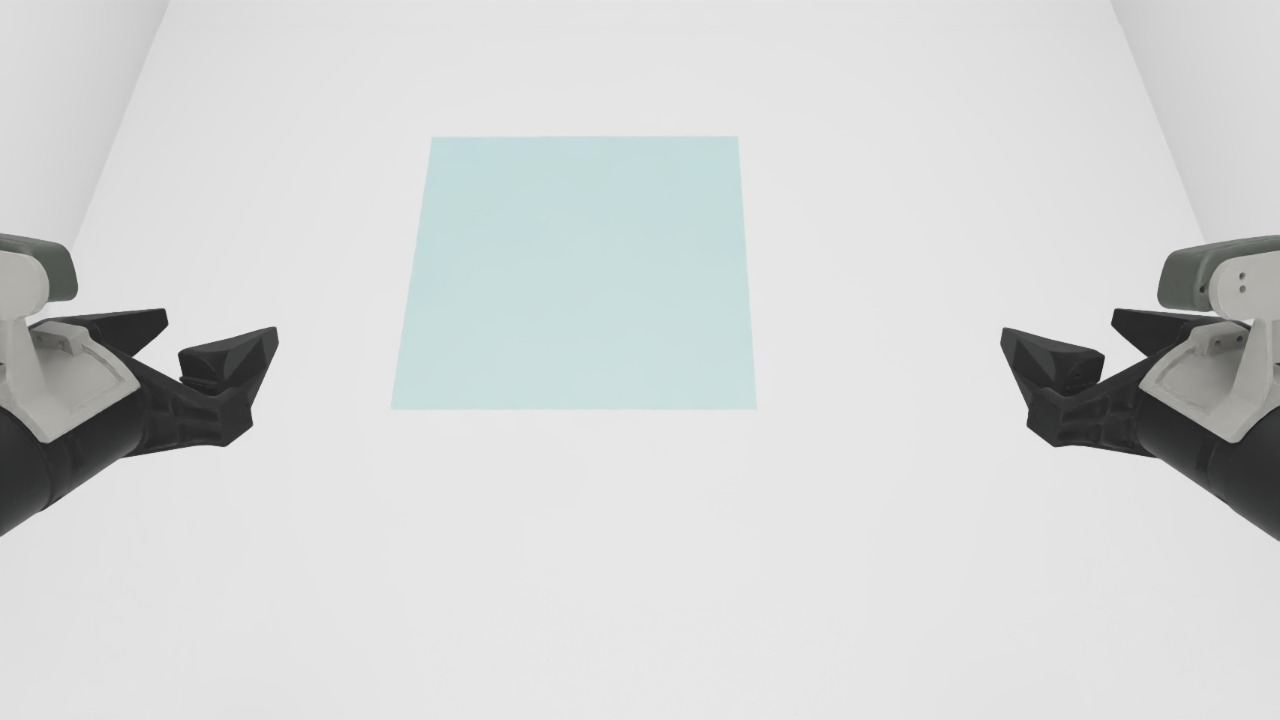
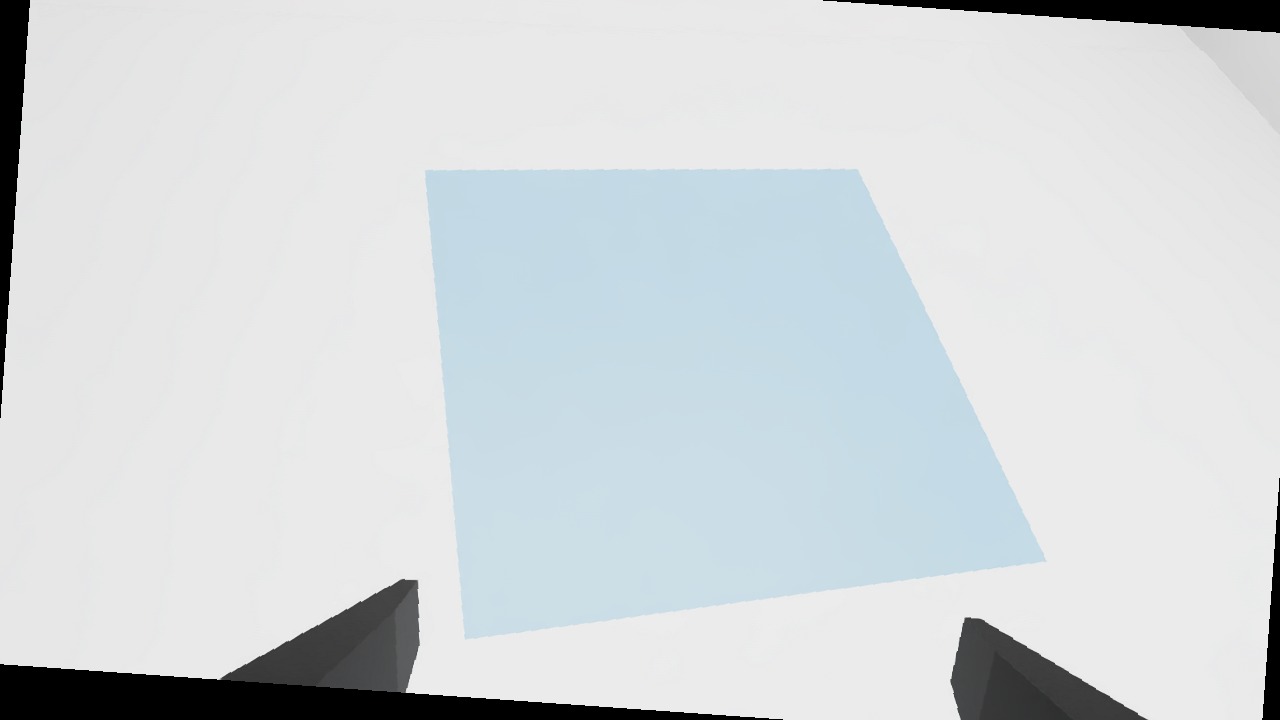
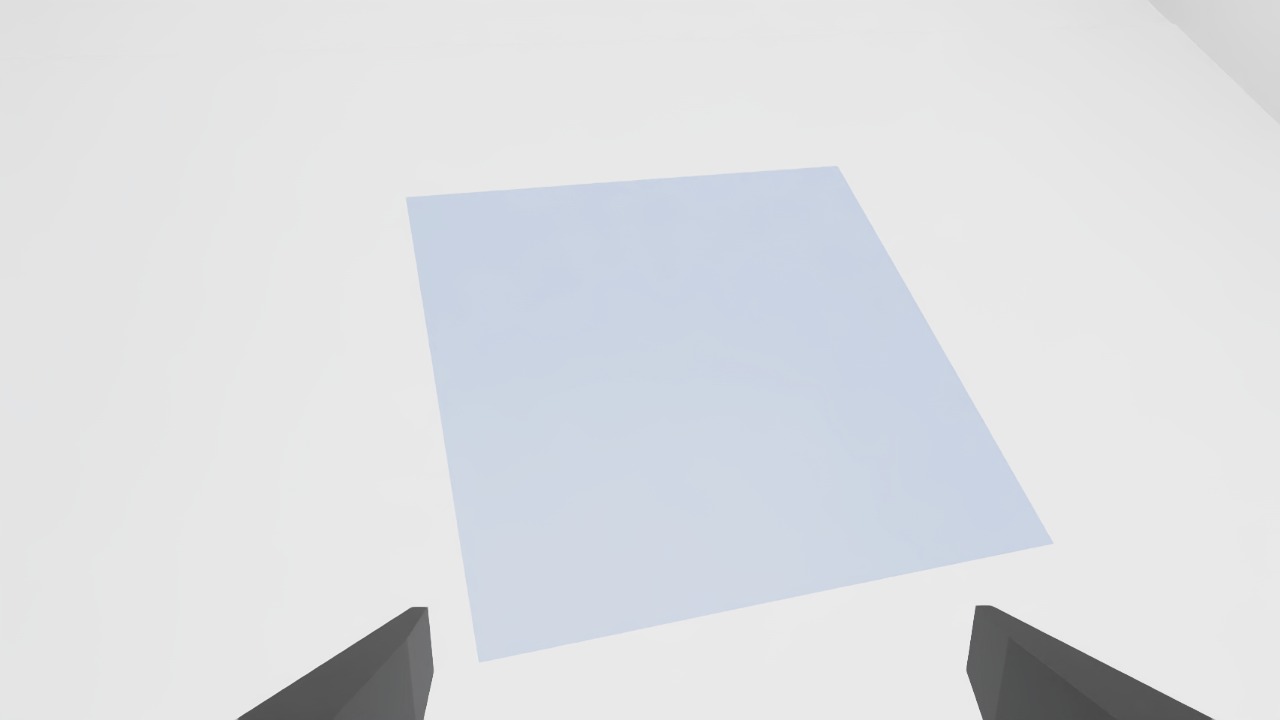
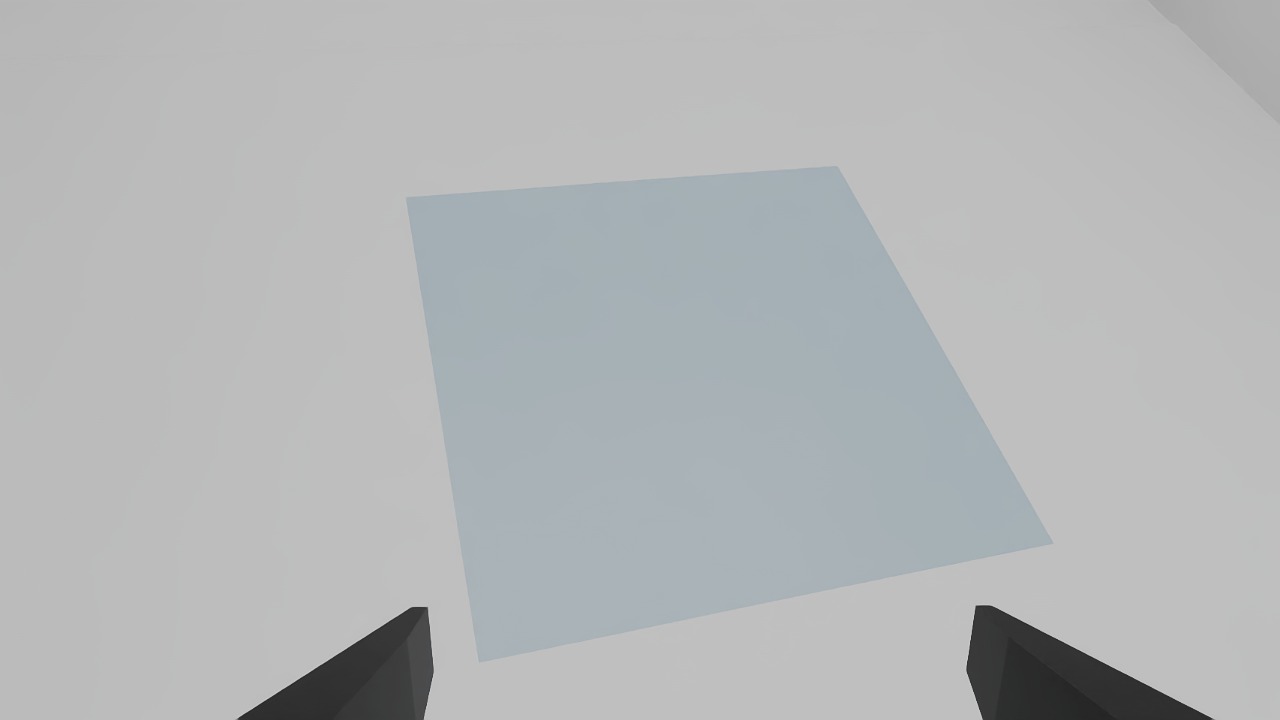
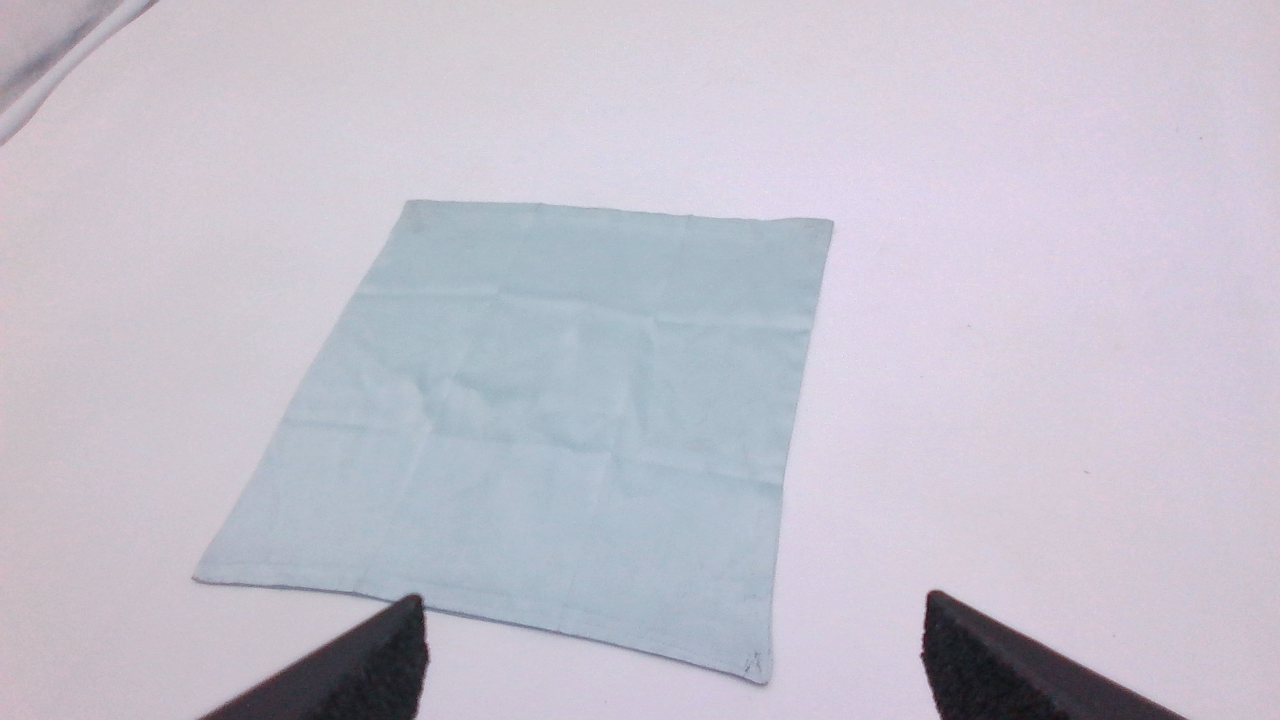
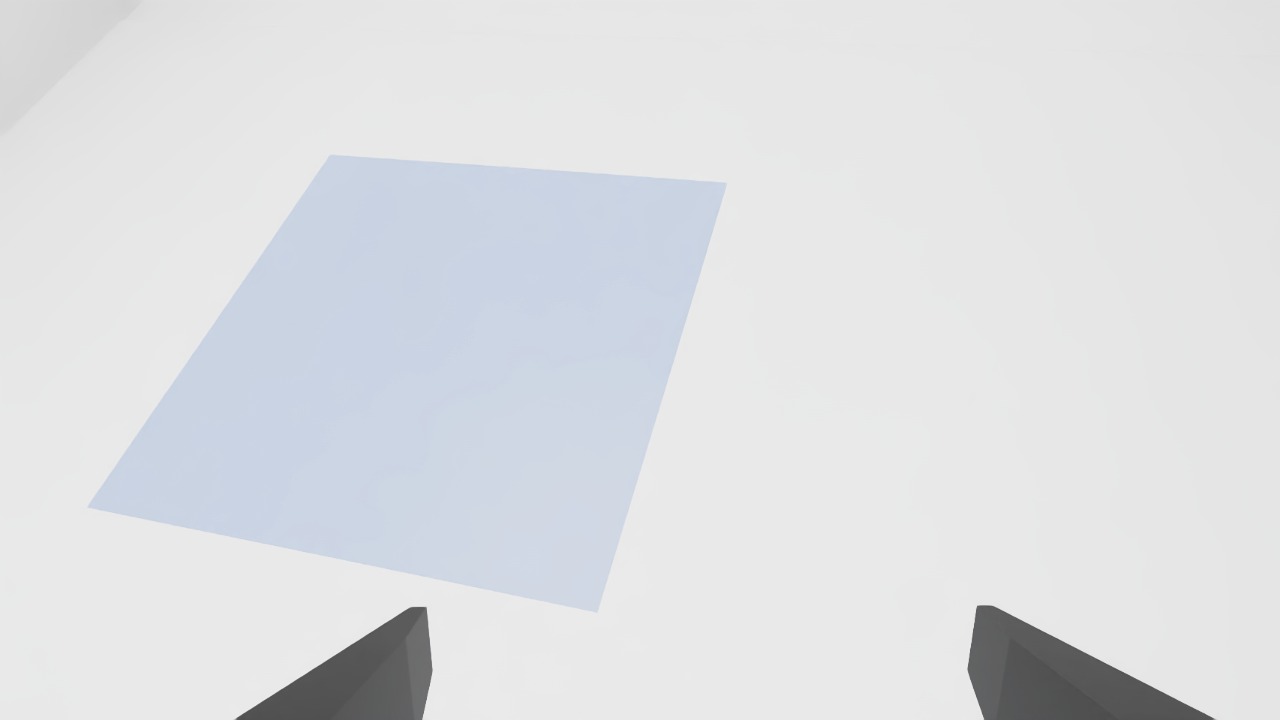
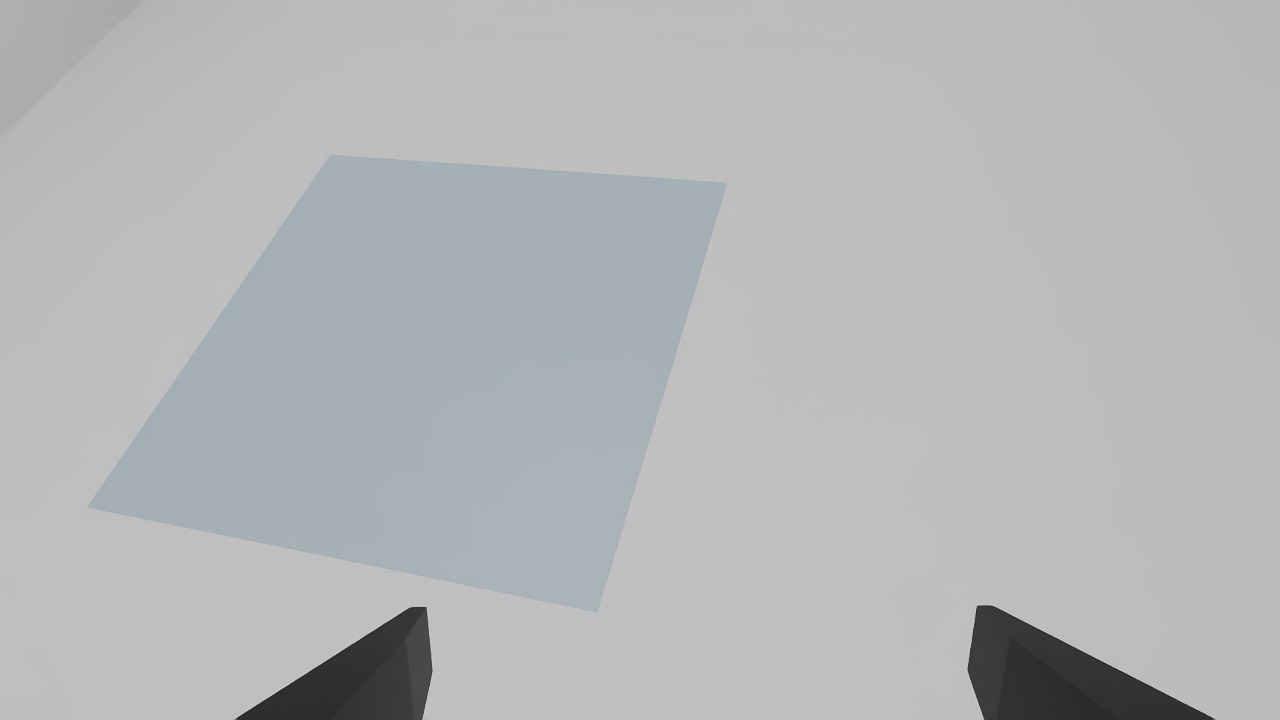
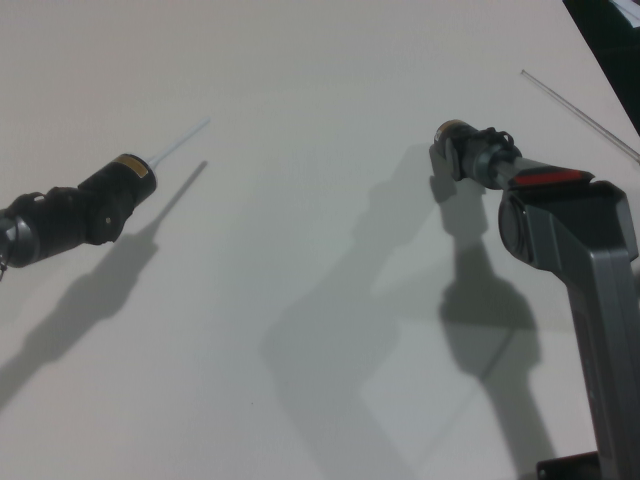
Left: the policy’s actual training observation (front oblique camera). Right: real-world execution with no fine-tuning. Per-task success rates from n=23 consecutive trials.
SAME POLICY CHECKPOINT · SIM ROLLOUT KEYFRAMES VS. ZERO-SHOT REAL DEPLOYMENT
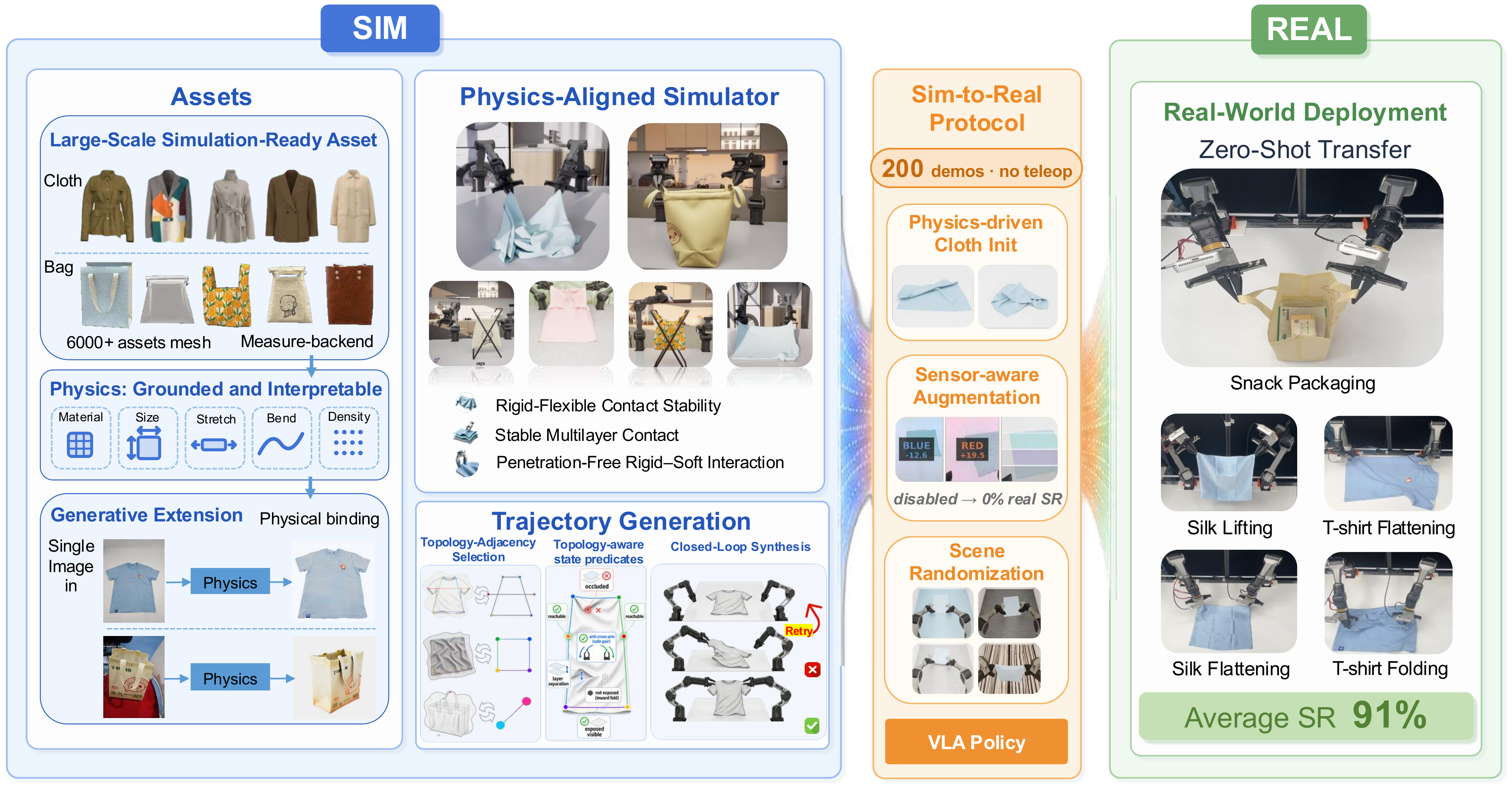
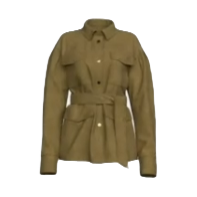
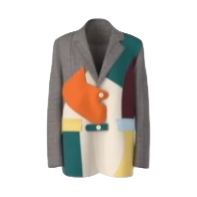
An extensible deformable-asset framework — 6,000+ simulation-ready assets, growable by generation.
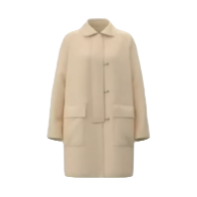
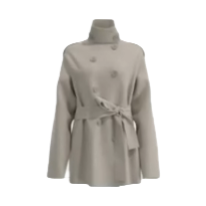
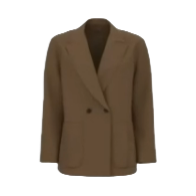
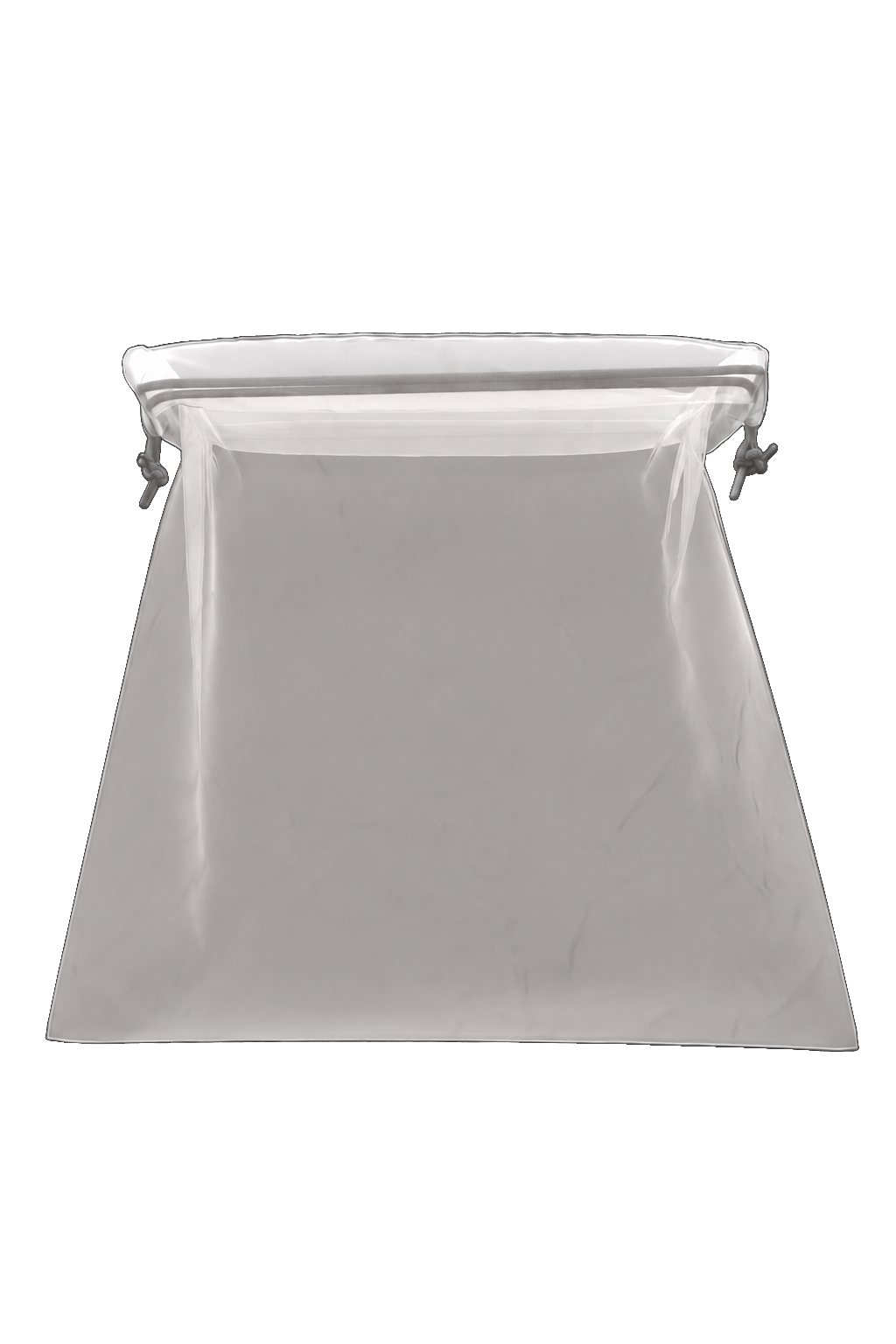
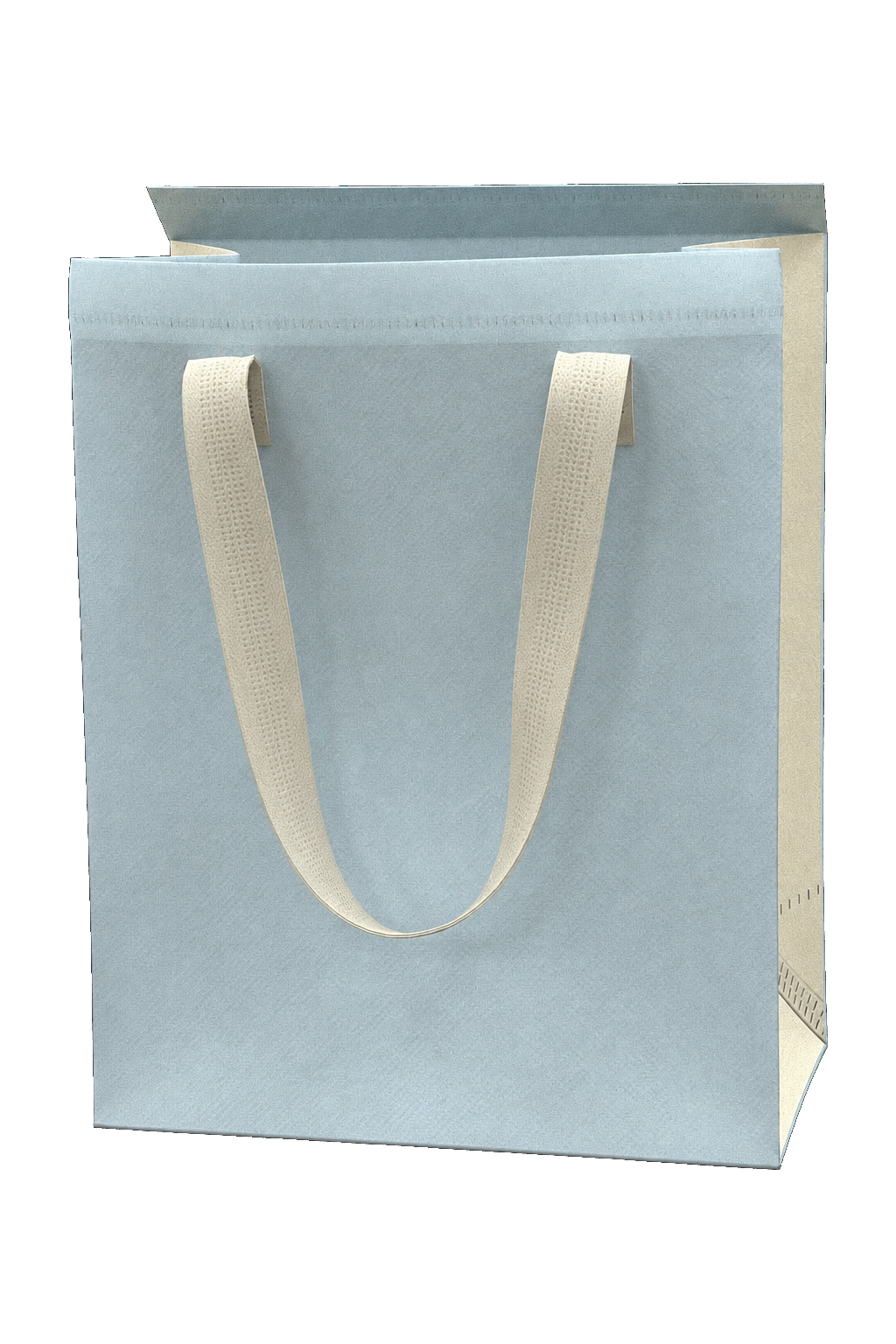
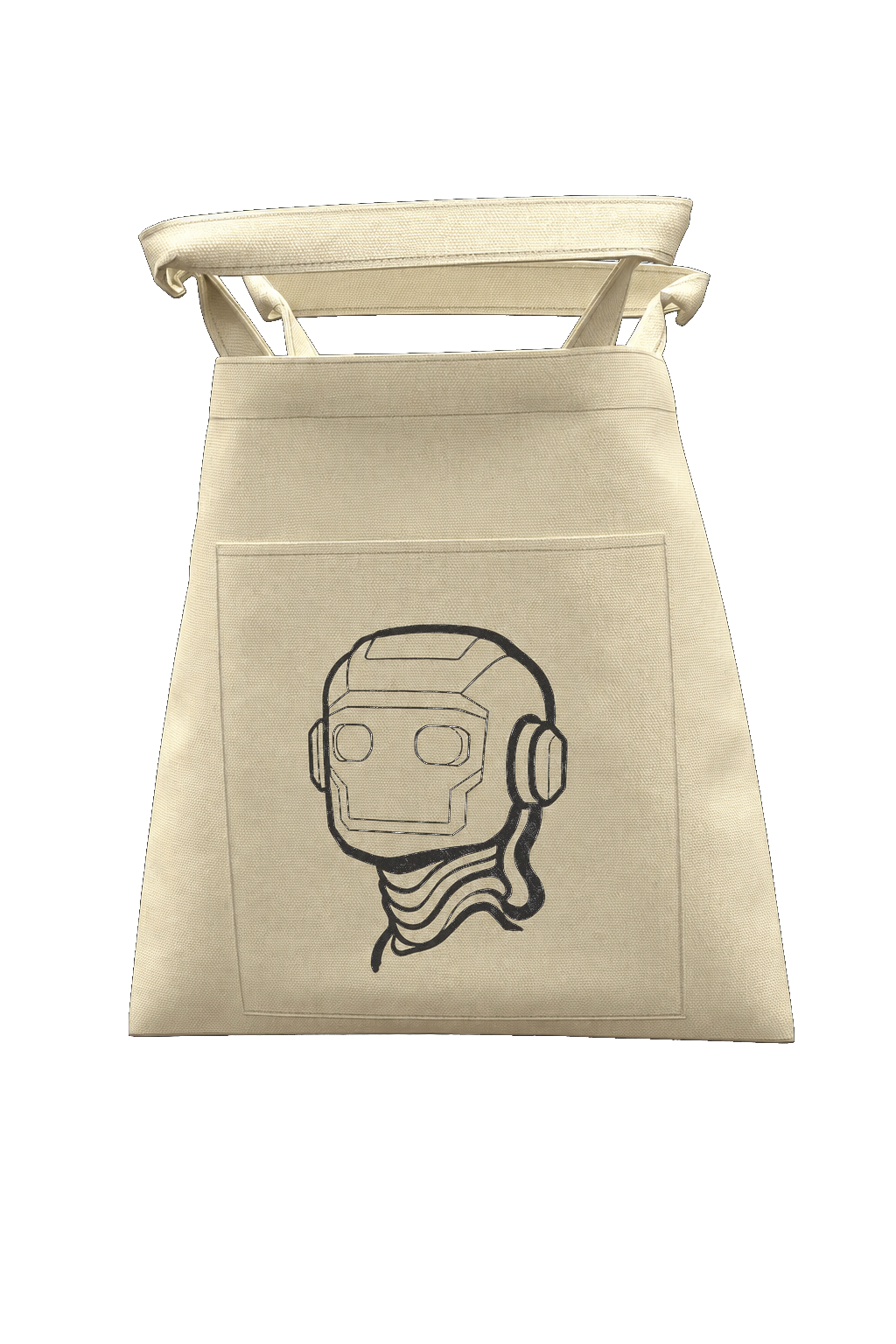
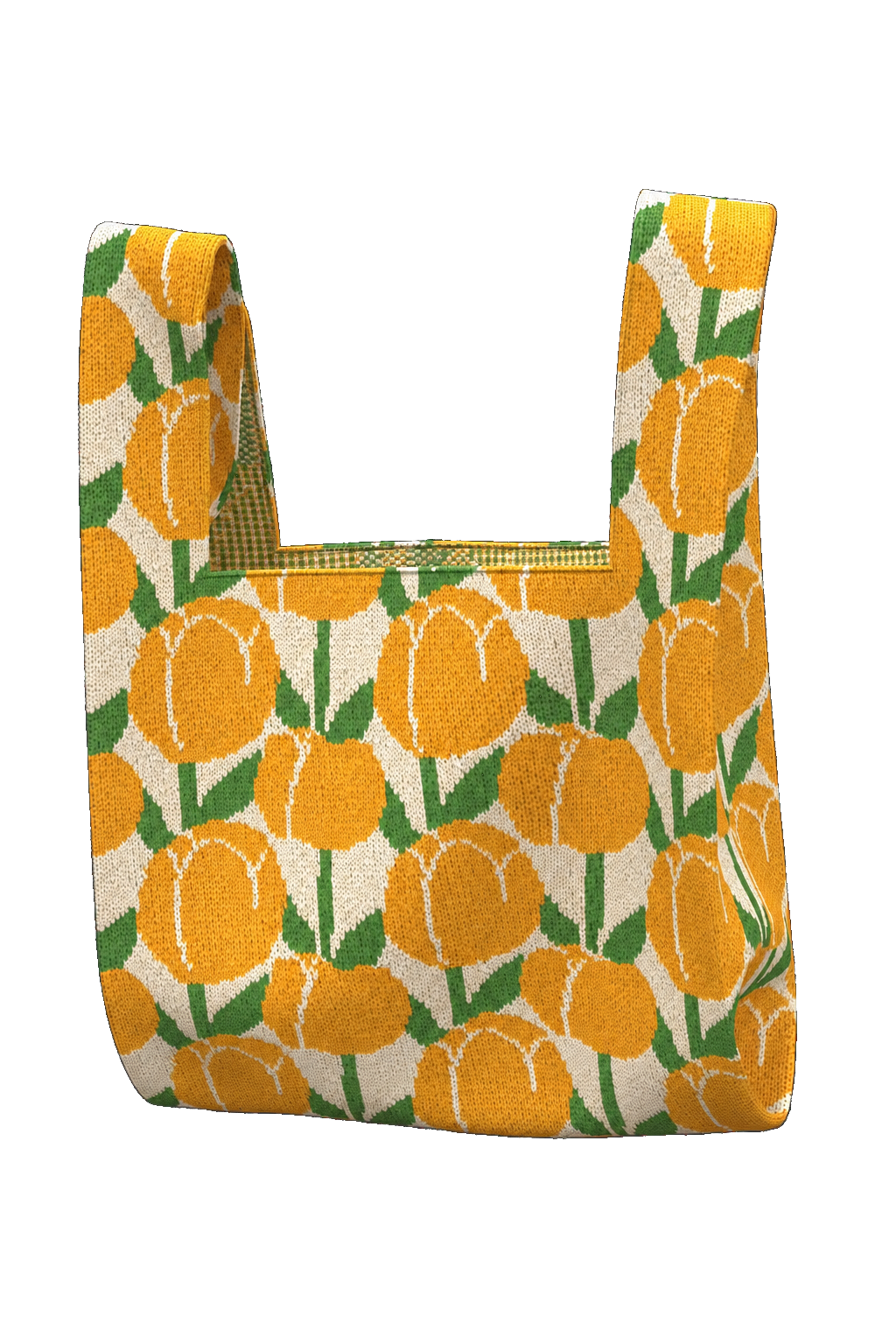
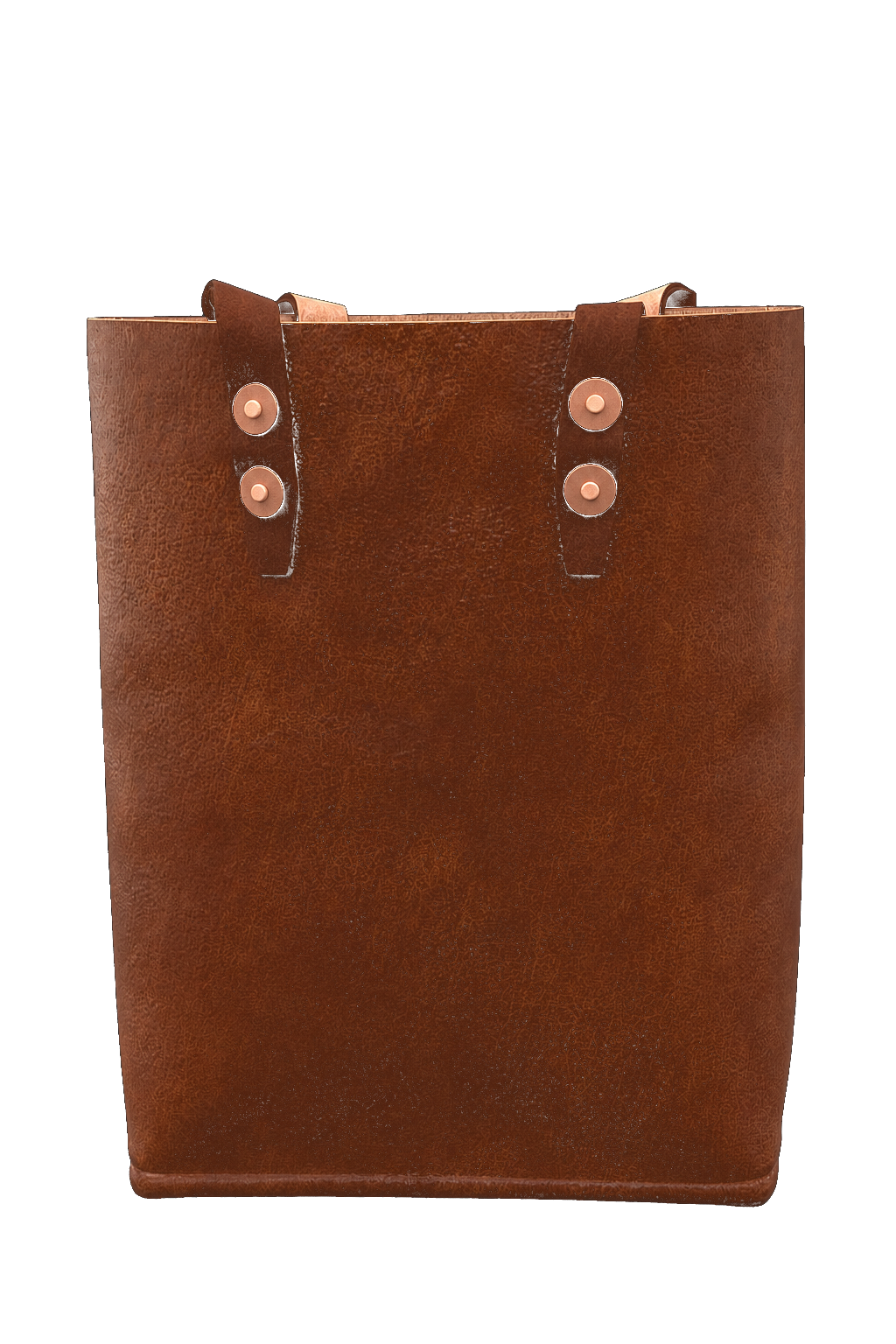
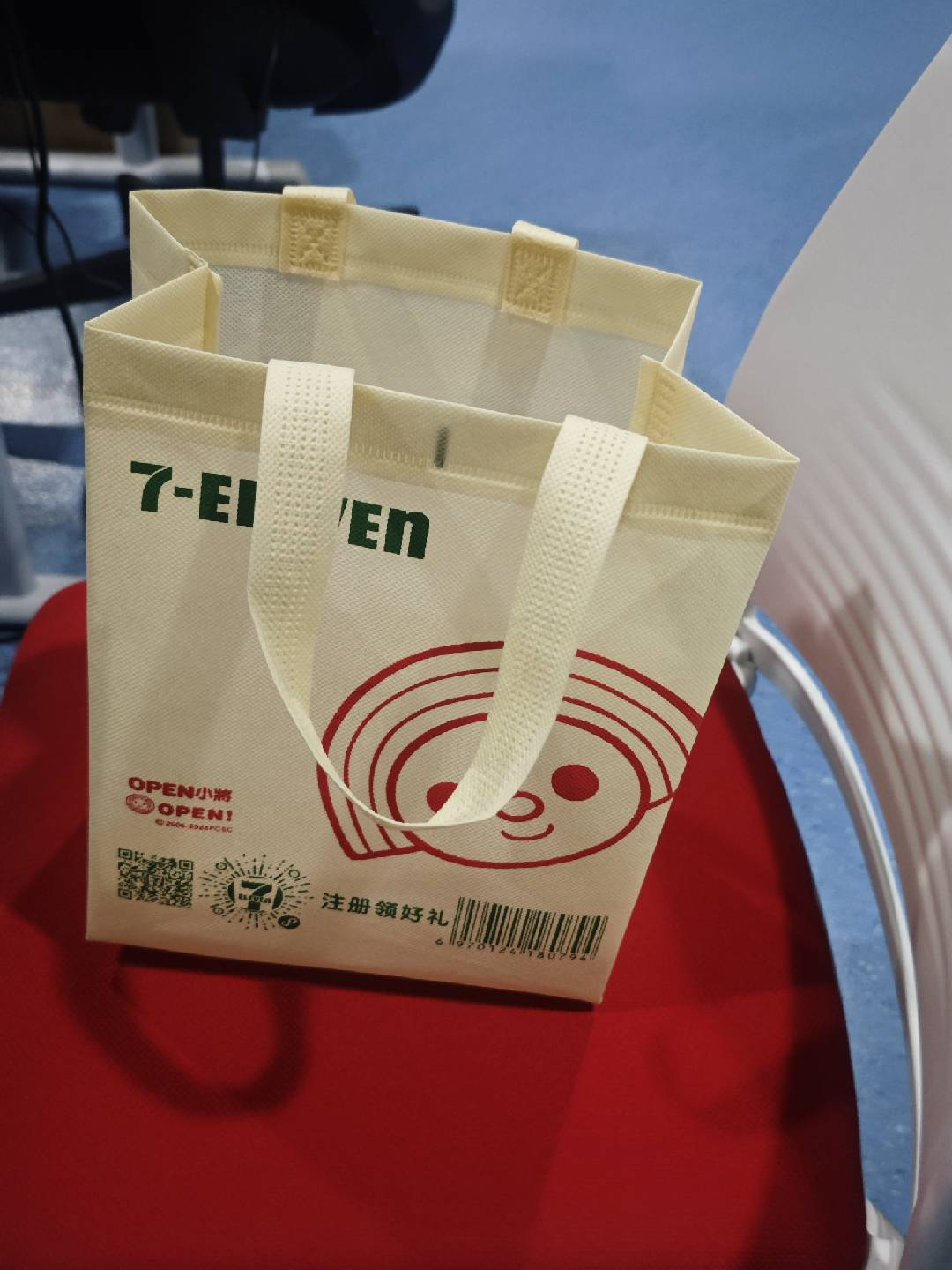
6,000+ simulation-ready meshes with grounded, interpretable physical parameters, spanning garments and deformable bags. Bags are a deformable category prior datasets miss.
A single image becomes a simulation-ready 3D mesh — not just geometry, but the physical parameters that make it simulate.
Robust collision handling, penetration prevention, and trajectory-replay determinism — fixing the contact instability and non-deterministic replay that break thin fabrics in standard simulators.
| Simulator | Task ↑ | Grasp ↑ | Pen. ↓ | Expl. ↓ | Per-step (ms) ↓ |
|---|---|---|---|---|---|
| Isaac Sim | 0.0% | 0.0% | 0.0% | 0.0% | 7.80 |
| Newton VBD | 0.0% | 100.0% | 77.5% | 22.5% | 10.38 |
| SimWeaver | 100.0% | 100.0% | 0.0% | 0.0% | 4.44 |
Topology-aware trajectory synthesis — deterministic demonstrations from a single seed.
Pure topology graph + closed-form predicates — no prior to fit.
Zero human demos at any stage of the pipeline.
Single-seed synthesis — no over-generate-and-discard.
| Method | Pass rate ↑ | Replay 100× ↑ |
|---|---|---|
| SIM1 (learned + filter) | 24.0% | 13 / 100 |
| SimWeaver-Syn | 97.2% | 100 / 100 |
Replay 100× = one successful trajectory re-executed from 100 fresh simulator resets.
A sim-to-real protocol that closes the deformable-specific gaps generic domain randomization leaves open.
Removing this augmentation collapses real-world success to 0 % on all five tasks.
Hardware: bimanual Piper 6-DOF arms with parallel-jaw grippers · 1 overhead + 2 wrist-mounted RealSense D435i cameras.
Across texture, lighting, and rotation OOD shifts: real-robot teleop baseline (100 demos) drops to 13% / 70% / 9%. SimWeaver (200 sim demos + DR) holds at 100% on all three.
Sim + DR scales as efficiently as teleop, and pushes further at the top end.
Both clips: real-robot silk grasping at 10× speed. Across texture, lighting, and rotation OOD shifts, SimWeaver (200 sim demos + DR) holds 100% success on all three; the real-data baseline (100 real-robot teleop demos) collapses to 13% / 70% / 9% success — full per-axis breakdown in chart above. Shown here: the texture OOD condition.
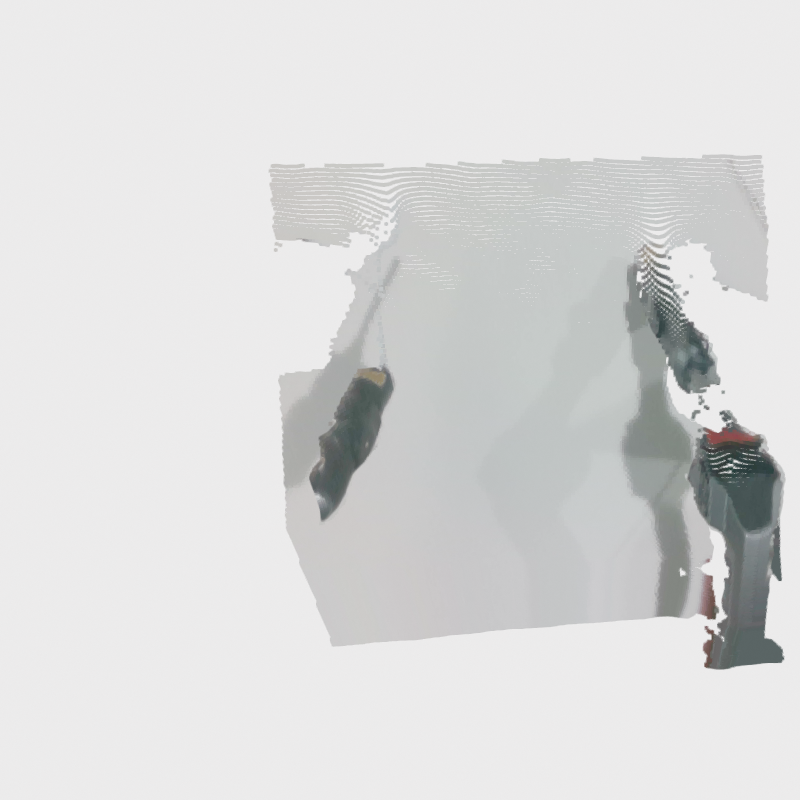
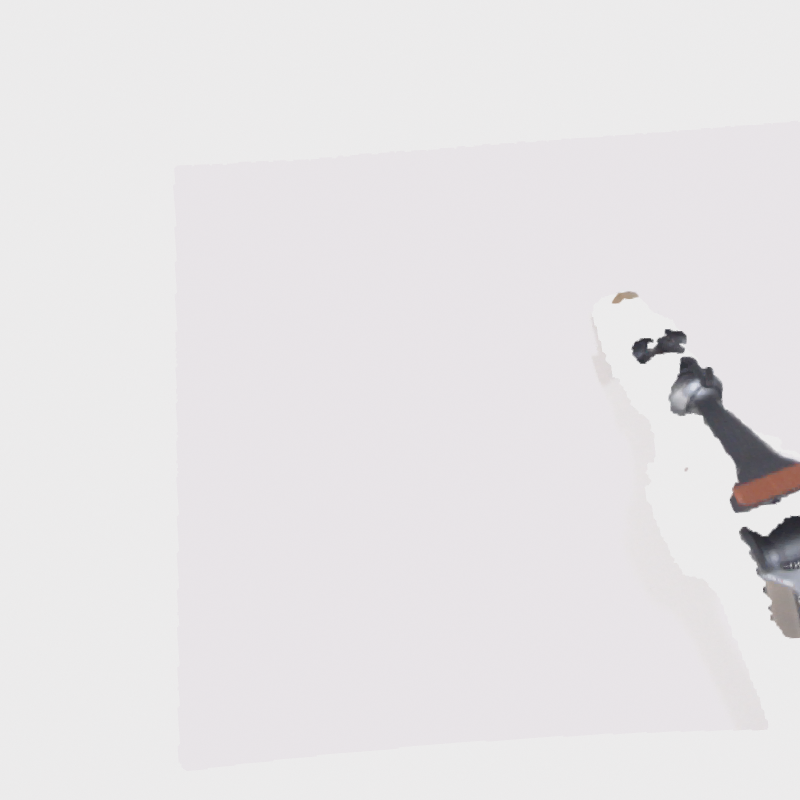
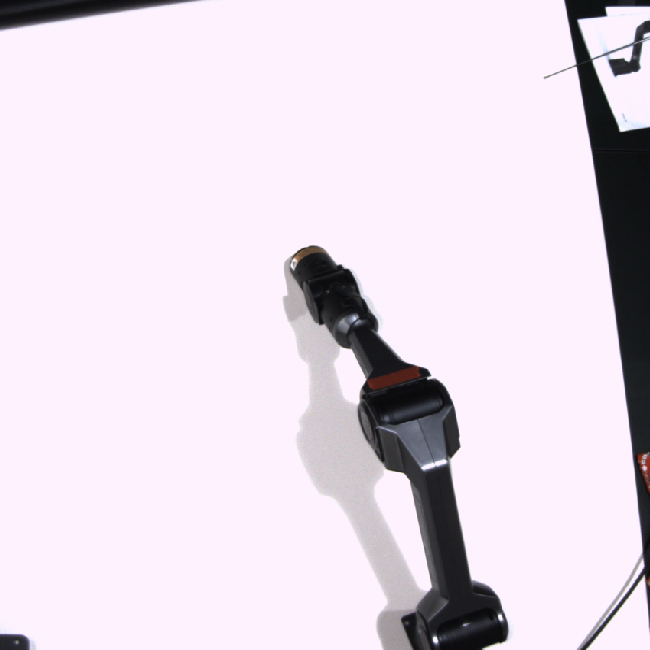
Black grippers and far-field dark surfaces absorb the projected pattern. Both D435i (active stereo) and Photoneo (industrial structured-light) drop large regions of the scan. Geometry-only policies have nothing to act on.
Top-left inset shows the RGB view of the same scene; the main image shows what the depth sensor actually captured. Black gripper bodies and far dark objects vanish in both consumer and industrial scanners — silk reflects diffusely but the gripper and table edges drop. Geometric policies act on these holes.
Additional renderings of scenes and asset variants.
@misc{simweaver2026,
title = {SimWeaver: Zero-Shot RGB Sim-to-Real for Deformable Manipulation},
author = {Wenkang Hu and Haoran Wang and Yitong Li and Liu Liu and Mengao Zhao and Lai Jiang and Xincheng Tang and Junhang Wei and Zhengjie Shu and Zhendong Wang and Zhizhong Su and Huamin Wang and Ruigang Yang},
year = {2026},
note = {Preprint}
}